Why does an unpleasant smell appear in the kitchen or bathroom and how can you eliminate it yourself?
Our home is a place where we want to feel comfortable and pleasant, but nothing can spoil this feeling as quickly as a sudden, unpleasant smell that starts rising from the kitchen sink or bathroom drain. Before picking up the phone to call a plumber or running to the store for aggressive chemicals, it's worth understanding - this problem is relevant in almost every household, and most often it can be solved by yourself.
Why do these smells occur and how can you get rid of them using the means already available at home? DM Group experts compiled practical tips and proven recipes.
Safety first: recognize dangerous smells!
Before starting to clean the pipes, it is important to exclude two specific smells that signal a serious danger:
- The smell of rotten eggs or sulfur in the kitchen: This is the first sign of a possible gas leak (propane gas naturally has no smell, but mercaptan is added to it so that the leak can be felt). Immediately close the gas tap, ventilate the premises and call the responsible services.
- Specific smell of fish: If there is a strange smell of fish in the house, but nothing is being cooked in the kitchen, urgently check the sockets and switches. Smoldering wiring and plastic parts, when exposed to high temperatures, give off just such an aroma.
If these risks are ruled out and the smell comes directly from the drain, you can get to work.
The most common causes of odors in the kitchen and bathroom
All kinds of organic waste constantly enters the sewer pipes. Over time, they form a sticky layer that starts to ferment and rot, releasing gases that rise up into the room.
- In the kitchen – trapped by grease and food: The main enemy here is grease, oil and small food remains. When the grease gets into a cold pipe, it hardens, and everything else sticks to it like a magnet.
- In the bathroom – hair and soap scum: Shower and bathtub drains are most often blocked by hairballs mixed with the remains of shower gel and shampoo.
- Dry siphons after being away: Have you noticed a smell when you come back from vacation? Each drain has a U-shaped pipe (siphon) in which water usually stands, serving as a natural stopper against sewer odors. If the shower or bath is not used for a long time (or if the bathroom has a warm floor, which speeds up evaporation), this water evaporates and the way for the smell is open.
8 home recipes to clean the drains and eliminate the smell
Agressive chemicals can damage plastic pipes and gaskets, and these damages are usually noticed too late. Therefore, it is better to start with ecological and gentle methods.
1. Hot water (for prevention)
Regular rinsing helps remove grease before it solidifies.
- How to: Boil a large pot of water. Pour half down the drain, wait a few minutes, run the cold water for a moment and then pour the remaining boiling water.
2. Boiling water with soap
Perfect right for the kitchen sink to break up grease.
- How to: Boil 2 liters of water, stir in 3 tablespoons of dishwashing detergent or liquid soap. Pour in half, let it work, then pour off the rest and rinse.
3. Hot Vinegar
Vinegar acts as a natural disinfectant and dissolves light plaque.
- How to: Heat (almost boiling) 4 cups of vinegar. Pour half down the drain, wait 3 minutes and then pour the rest. Rinse with warm water.
4. The classic duo: Soda and vinegar
This chemical reaction creates hissing foam that mechanically separates dirt from the walls of the pipes.
- How to do it: Pour 4 tablespoons of baking soda into the drain and pour about 100-200 ml of vinegar on top. When the bubbling subsides after a while (or after an hour in more severe cases), rinse with plenty of hot water.
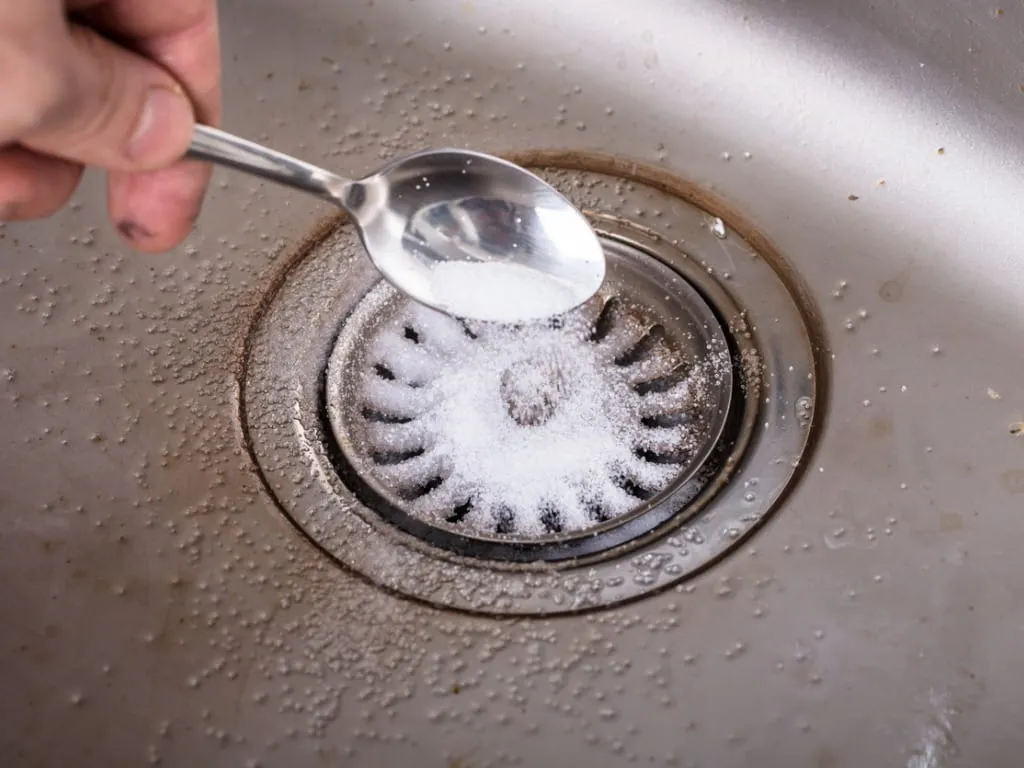
5. Salt and soda (abrasive effect)
Salt acts as a gentle scrub for the inside of the pipes.
- How to do it: In the evening before going to bed, pour 1 cup of soda and half a cup of salt into the drain. Leave overnight, but in the morning rinse with two glasses of boiling water.
6. Lemon juice and soda (for freshness)
An ideal way not only to clean the pipes, but also to get a pleasant citrus aroma.
- How to do it: Pour half a glass of soda into the drain and pour half a glass of fresh lemon juice. Close the drain with a cork and let it work for an hour. Rinse with hot water.
7. Soda and tartar
- How to: Mix 2 tablespoons of tartar with 2 cups of baking soda. Pour 2 glasses of boiling water into the drain, pour the powder, wait an hour and rinse.
8. Sail, salt and vinegar (for a stronger impact)
Recommended Products
Related Articles