Biological wastewater treatment plant: How does it work and when is it time for maintenance?
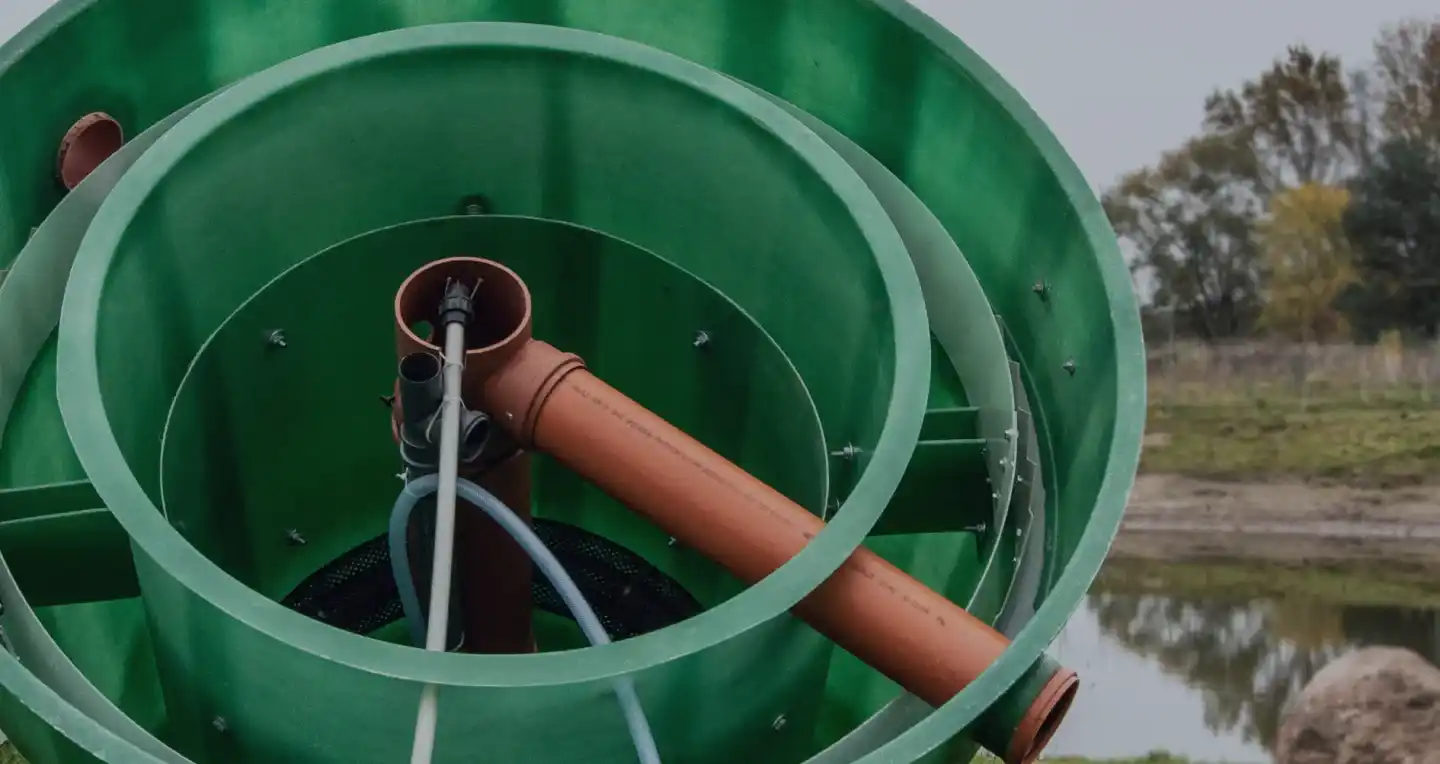
A modern household is unthinkable without an efficient and environmentally friendly sewage system. Ecological (or biological) treatment plants have become the gold standard in areas where central sewage is not available. But how exactly does this "black box" under the lawn work, and - most importantly - how does the owner know when the equipment needs maintenance?
As a DM group team that deals with full-cycle construction and engineering solutions on a daily basis, we have compiled the most important things that every owner of the equipment needs to know.
How does an ecological treatment plant work? (In simple words)
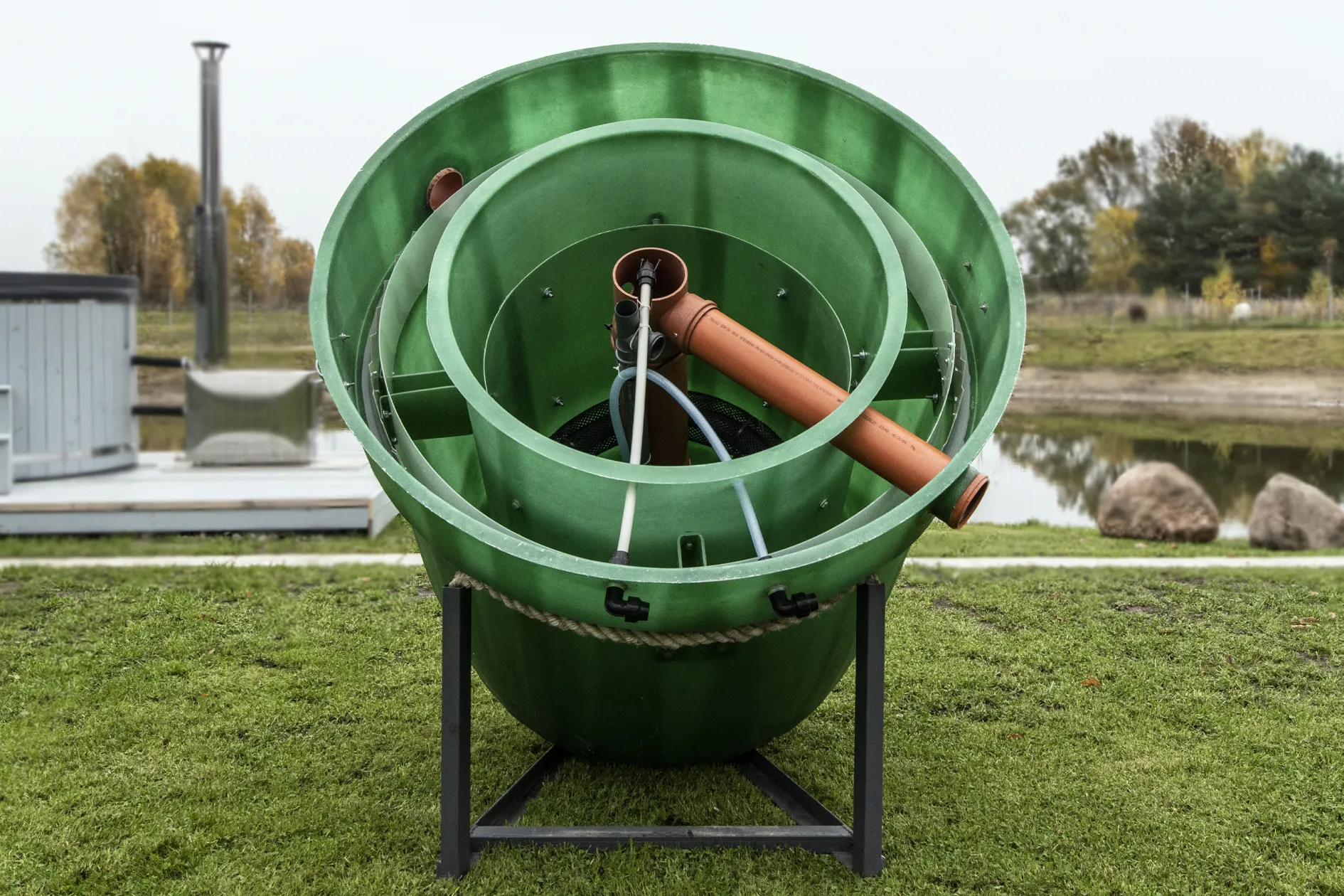
Although the process sounds complicated, the operation of the device is based on the processes of nature itself, simply put into a durable
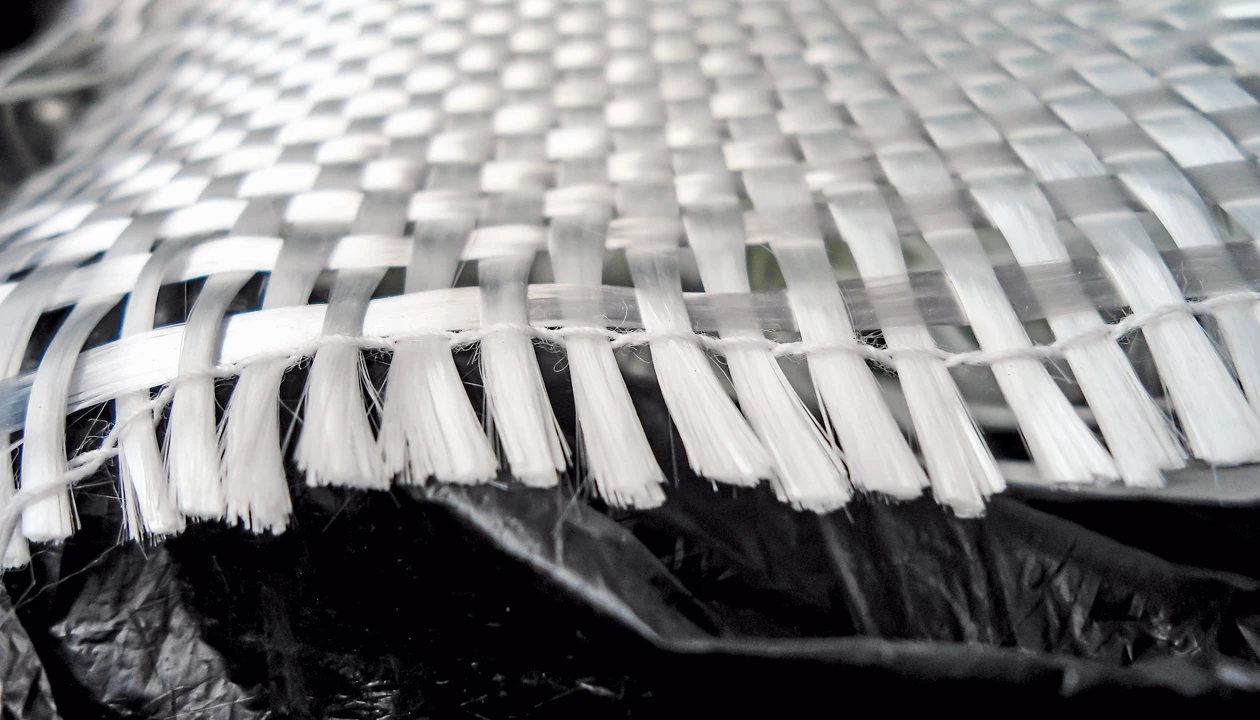
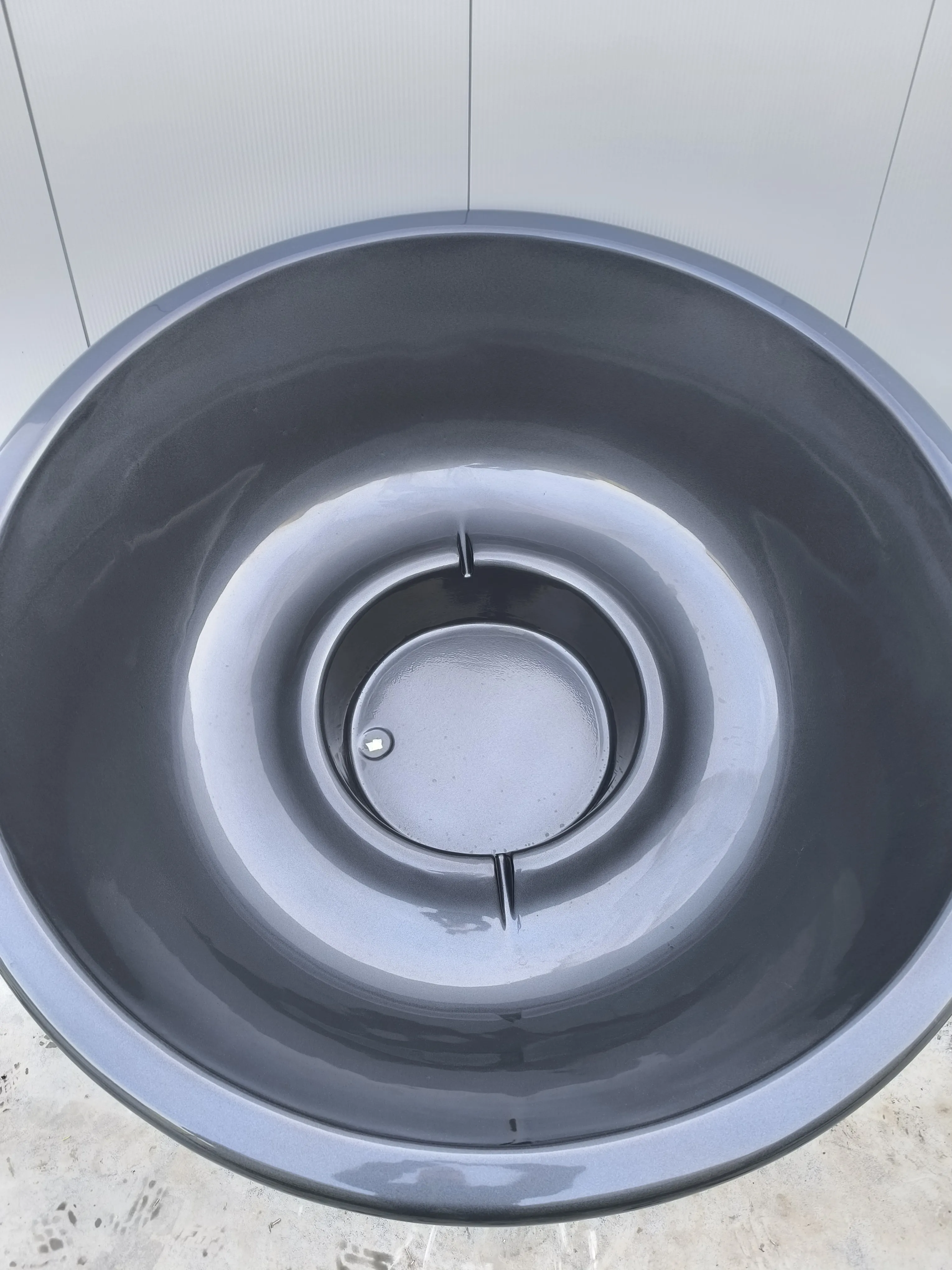
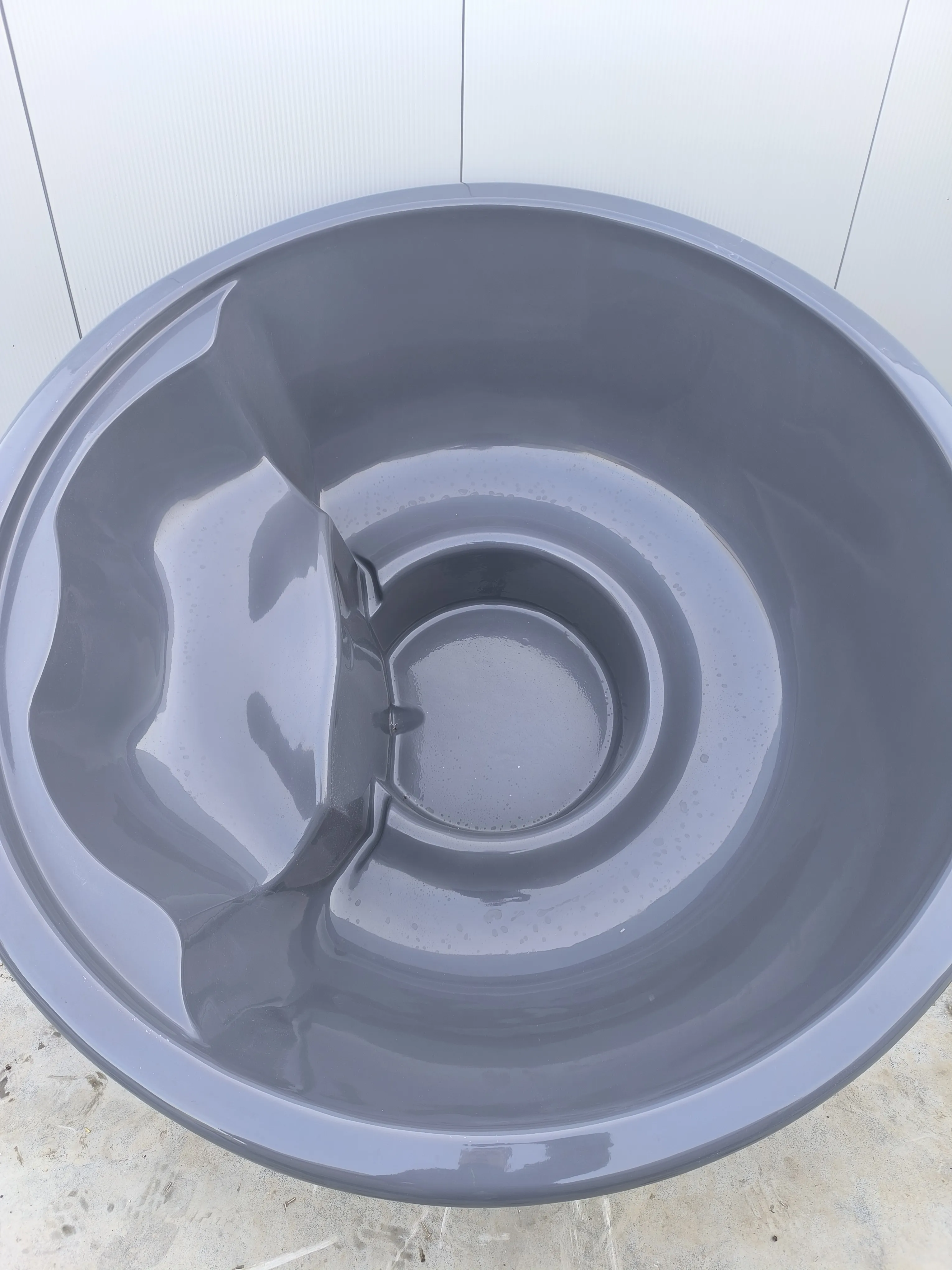
fiberglass
Glass-reinforced plastic (also known as glass-reinforced plastic or GRP) is a composite material consisting of two main components: glass fiber and a binder (usually polymer resin). Put simply, fiberglass is a material in which the fiberglass provides strength, while the plastic (resin) holds these fibers together and gives the product its shape.
- Mechanical purification (Sediment chamber): All domestic wastewater enters here. The heaviest particles settle to the bottom, while the lighter ones (fats, oils) float to the surface.
- Biological purification (Aeration chamber): This is the "heart" of the equipment. activated sludge lives here - millions of microorganisms or bacteria that feed on the organic impurities in the wastewater. In order for the bacteria to breathe and work actively, the compressor of the machine constantly blows air (oxygen) into this chamber.
- Separation (Settler): The final stage where the water calms down. Heavy bacteria (sludge) settle to the bottom and are pumped back to the active chamber, but clean water flows out of the device.
Second life for water - can it really be used in the garden?
Yes! The water that comes out of a properly functioning biological plant is about 95-98% purified. It is transparent and without unpleasant odor.
This water is classified as technical water. This means you shouldn't drink it, but it's ideal for household reuse:
- Garden watering (especially lawns, shrubs and trees - just avoid vegetables you eat fresh).
- Discharge (can be completely legally and safely discharged into an infiltration field, pond or backyard in the gutter).
It is not only a nature-friendly solution, but also a great way to save drinking water in dry summers.
How to practically check if it is time to clean the equipment?
As bacteria work diligently, too much sludge builds up in the equipment over time. If there are too many, the machine starts to work worse. You don't need to be a microbiologist to determine the moment of maintenance. The simplest and most reliable way is the "jar test".
Here's how to do it in 3 easy steps:
- Take a sample. Open the lid of the device and drain the water from the chamber where the air is actively bubbling (aeration chamber). Use a clean 1-liter glass jar.
- Allow to settle. Put the jar in a shady place and leave it alone for about 30 minutes.
- Evaluate the result. During this time, the brown flakes (sludge) will settle to the bottom of the jar, but clear water will remain at the top.
- If the sludge occupies 20-40% of the volume of the jar - the device works perfectly.
- If the sludge occupies more than 50-60% - the bacteria have multiplied too much. It's time to call the sewer and pump out the excess sludge!
Important signal! If you notice that the water coming out of the device has become cloudy or an unpleasant sewer smell has appeared, this is a clear indicator that the device needs urgent maintenance or the air compressor in the system is damaged.
DM Group - Your reliable partner in construction and in environmental solutions
If you plan to install a wastewater treatment system on your property, it is important to choose reliable materials and professional craftsmen.
DM group is a team based on experience and knowledge, which provides a full construction cycle in high quality and within acceptable deadlines. We offer:
- Top quality fiberglass wastewater treatment plants. Fiberglass is a particularly durable, light and long-lasting material that does not deform under ground pressure and will last for decades.
- Other fiberglass products (reservoirs, pumping stations, etc.).
- Professional advice, equipment installation and full construction, so you don't have to worry about anything.
Entrust the improvement of your property to professionals. Contact us today and we will help you find the best solution for your home!
Recommended Products
Related Articles